Every Foreign Stock Comes With a Currency Stowaway
On a global trading platform, buying a foreign stock feels refreshingly simple. You search a name, see a price, click buy, and suddenly you own a piece of a company in Tokyo, Frankfurt, or Toronto. One decision, right? Not quite. For a US investor, every foreign stock purchase is usually two trades wearing one confirmation screen: the stock trade and the currency trade. Most retail traders spend hours on the first and barely notice the second.
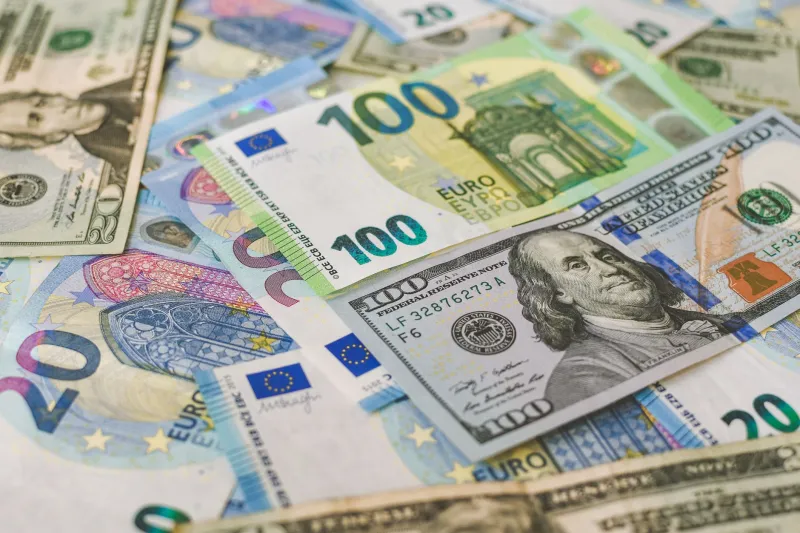
That second trade is not a glitch or a hidden fee. It is just math. Your account is measured in US dollars. The stock is priced in euros, yen, pounds, or something else. To own it, somebody has to convert dollars into that currency, and later convert the proceeds back. The exchange rate between those two moments becomes part of your return, whether you planned it or not.
The second ticket you never see
Here is the clean version. If a stock rises 12% in its local currency and the local currency falls 10% against the dollar over the same period, your dollar return is not 12%. It is closer to 0.8%, before fees and spreads. The stock did its job. The currency ate most of the victory.
Flip the scenario and the same machinery works in your favor. A stock that gains 8% in euros while the euro strengthens 6% against the dollar can produce a much fatter dollar return than the local chart suggests. That feels great, but it is still a currency bet. You just happened to win it.
The awkward part is that most US traders never consciously place that bet. They research earnings, charts, and sector trends, then let the platform handle the conversion at whatever rate applies. That is not reckless by itself. It is just incomplete. If you would not buy a euro ETF on purpose, you should at least know when your stock fund is quietly buying one for you.
A winning pick can still lose in dollars
This is where global investing gets humbling. A company can beat expectations, raise guidance, and still deliver a flat or negative return in your US-dollar account because the currency moved against you. That does not mean international investing is broken. It means the scoreboard in your account is not the same as the scoreboard in the company's home market.
Currency moves are not always dramatic. But they do not need to be dramatic to matter. A 0.5% conversion spread when you buy and another 0.5% when you sell is roughly 1% of round-trip drag before the stock does anything. On a short-term trade, that can be the difference between a win and a shrug. On a long-term holding, the drag is smaller in context, but the currency swings can be much larger.
'But the fund is priced in dollars'
This is one of the most common mix-ups on global platforms. A fund can show a dollar price and still hold unhedged foreign assets. The label 'USD-denominated' tells you what currency the fund reports in. It does not tell you whether the fund hedges its currency exposure.
Currency-hedged funds try to reduce that second trade by using forward contracts or similar tools. They are not magic. Hedging costs money, can be imperfect, and may create tracking differences. An unhedged fund accepts the currency ride as part of the package. Neither version is automatically better. They are different products for different jobs.
ADRs add their own wrinkle. They trade in dollars on a US exchange, which makes them feel domestic, but the underlying shares are still exposed to a foreign currency. ADRs can also carry depositary fees and other administrative costs. Convenient does not mean currency-free.
What to check before you click buy
First, look at the fund name and the prospectus, not just the ticker. Words like 'currency hedged' or 'unhedged' matter more than the fact that the price is displayed in dollars. If you cannot find the currency policy in two minutes, that is a clue to slow down.
Second, check the trade ticket for the settlement currency and the conversion spread. On a platform built for one-click global access, the conversion can happen automatically. Automatic is not the same as free. Find out whether you are being charged a markup on the exchange rate, and whether you can hold foreign currency in the account instead of converting on every trade.
Third, separate the company view from the currency view. If your reason for buying a German industrial stock is its order book and dividend, ask whether you also have a confident view on the euro. If not, a hedged share class or a smaller position may fit better. If you do want dollar diversification, an unhedged fund can be a feature rather than a bug. Just size it like a currency bet, because that is what it is.
Fourth, remember that listing currency is not the whole story. A company can be based in one country and earn revenue in several others. Its shares may trade in euros while a big chunk of its business is priced in dollars. Currency exposure is real, but it is not always as simple as the exchange where the stock happens to live.
The point is not to fear the stowaway
The point is to notice it. Global Easy Trade's whole pitch is one login and a world of markets, which is exactly why the second trade deserves a line on your checklist. You do not need to become a forex strategist to buy international stocks. You just need to know that the exchange rate is sitting in the shopping cart with your shares.
If the currency move helps, great. If it hurts, at least you will know why. The traders who get surprised are usually the ones who thought they only made one trade. The prepared ones know they made two, and they decided, consciously, whether they wanted both.