The Spare Key in Your Pocket: Anatomy of a Trading Account Takeover
Photo: Océanos y dados, CC0, via Wikimedia Commons
Two things happen the moment your phone drops to zero bars on a random Tuesday afternoon. First, you blame the carrier. Second, you stop checking your trading app for a while. That gap — call it twenty minutes of mild annoyance — is the entire window some attackers need.
This isn't a scare story about genius hackers in a basement. It's a walk through the boring, procedural mechanics of how account takeover works on a platform where a single sign-in covers forex pairs, crypto, and foreign equities. Boring is the point. Boring is what makes it repeatable.
The part the marketing never mentions
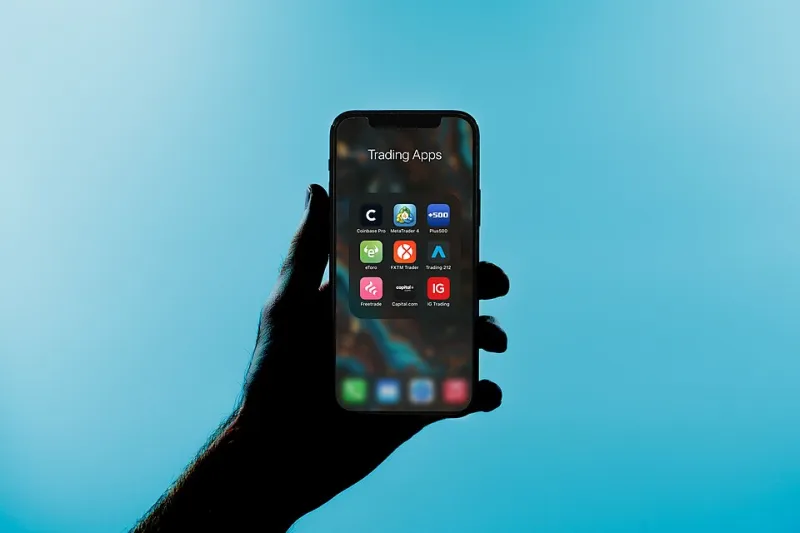
A global trading app sells you simplicity: one login, one dashboard, one balance covering everything from EUR/USD to a German automaker to a token you heard about at a barbecue. That's genuinely convenient. It also means the security of your entire financial footprint collapses down to whatever protects the weakest link in a short chain — your email, your phone number, your password, and the withdrawal settings inside the account.
Most people harden one link and call it a day. Attackers don't need all four. They need one.
Door one: the number you handed over at signup
SIM swaps get described as exotic. They're closer to customer service exploitation. An attacker walks into a carrier store or calls in with a plausible story, armed with details scraped from a breach or your own social media — date of birth, last four of an account, a billing zip code. If the carrier's verification is soft that day, your number gets ported to a new SIM or an eSIM profile. Your phone goes dark. Theirs lights up.
From there, every SMS code your trading platform sends lands in their hand. Password reset? Straight to them. Login verification? Same. The lock on your account was a text message, and someone else now owns the mailbox.
Carriers have tightened this — port-out PINs, account locks, in-store verification — but the fix is only as good as you enabling it. A port freeze you set up in ten minutes is worth more than any antivirus suite you'll ever buy.
Door two: the support agent who found you first
Here's a pattern worth memorizing. A message arrives — on X, on Telegram, in a comment thread — from an account using your broker's logo and a handle that's off by one character. "We detected unusual activity. Please confirm your identity here."
Or the phone rings. A friendly voice, a case number, a script. They need to "verify" you, so they'll send a code — read it back, please. Sometimes they ask you to install a screen-share tool to "walk you through the fix." Now they're watching you type your password.
Real support doesn't cold-call you asking for codes. Real support doesn't need remote control of your laptop. Write that on a sticky note if you have to.
Door three: the password from 2016
Credential stuffing is not sophisticated. Somewhere there's a text file with hundreds of millions of email-and-password pairs from old breaches, and a script trying them against every trading platform with an open login page. If you reused that password — even on a forum you forgot about — you're in the file.
The fix is unglamorous and takes an afternoon: a password manager, a distinct password for anything holding money, and app-based or hardware two-factor authentication instead of SMS. An authenticator app doesn't care that your phone number got ported.
Door four: the address book inside your account
This one surprises people. Many traders spend all their energy on login security and never look at withdrawal settings. An attacker who gets in doesn't usually wire your entire balance to a mystery wallet on the first click — that triggers reviews. They add a withdrawal address and let it sit. Or they use "address poisoning": sending a tiny transaction from a wallet whose address starts and ends with the same four characters as yours, hoping you copy the wrong one from your history later.
Which is why whitelists, withdrawal delays, and email confirmations on new addresses matter more than the length of your password. If a new destination needs a 24-hour cooldown and a second channel to approve, the attacker's clock runs out.
What the takeover looks like from your side
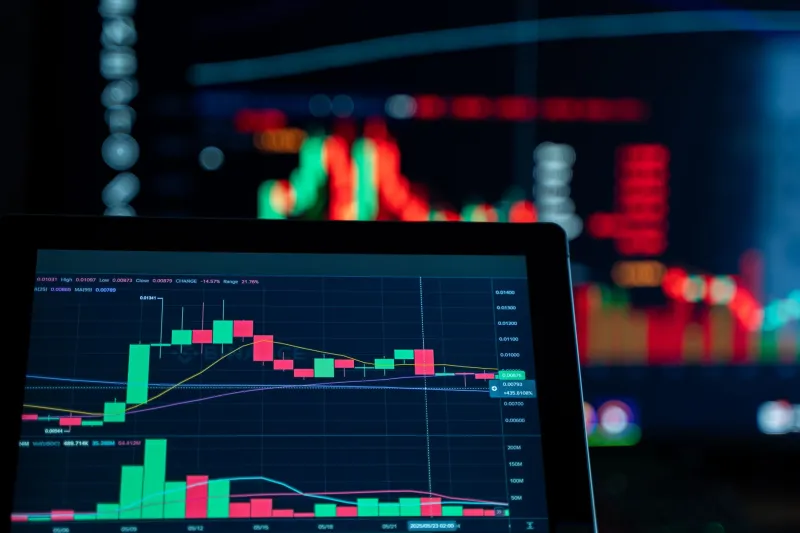
Not a dramatic drain. More often: a small test withdrawal that clears. A password change you never made. A handful of trades in an illiquid foreign name, positioned to lose on purpose against an account the attacker controls on the other side. By the time you call in, the damage is spread across three products and two time zones, and the reconciliation takes weeks.
The lock-down list
Do these before dinner. It's not glamorous, but it's the difference between an inconvenience and a story you tell for years.
- Put a port-out freeze and a carrier PIN on your mobile account.
- Replace SMS two-factor with an authenticator app or a hardware key wherever the platform allows it.
- Give your trading account a dedicated email address nobody else knows about.
- Use a unique password — generated, not invented.
- Turn on every login and withdrawal alert the platform offers, delivered to email and push.
- Whitelist withdrawal addresses and keep delays on new ones.
- Test your own recovery flow once, so you know what a real reset email looks like.
- Never read a code to anyone. Ever. Not a support rep, not a "security team," not your cousin.
The uncomfortable part
You can't drive risk to zero, and any platform claiming otherwise is selling something. What you can do is make yourself boring to attack — a target where the phone number is frozen, the codes live in an app, the password is unique, and the withdrawal rules mean someone has to wait a day to move a dollar.
That's the whole trick. Not genius. Just friction, placed where it counts.