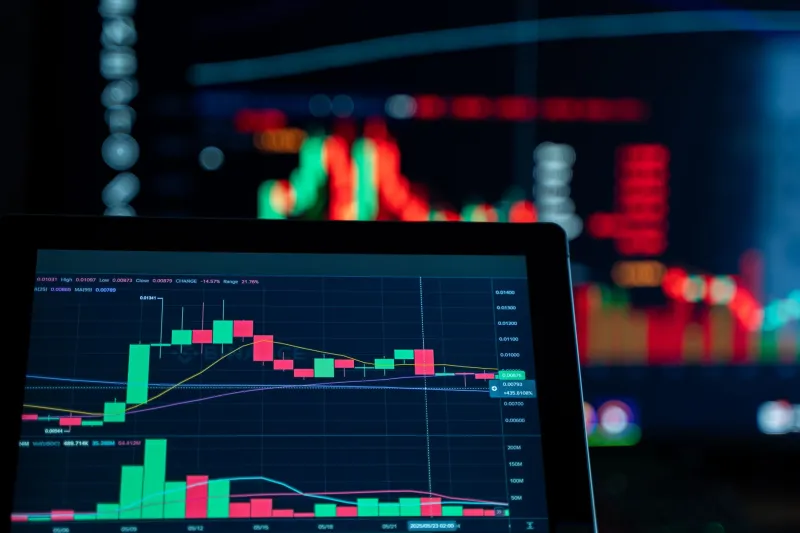
The Lights Are On, Nobody’s Home: Trading a Closed Foreign Market on a 24/7 Platform

Photo: forextime.com, CC BY 2.0, via Wikimedia Commons
There’s a particular kind of confidence that comes from a trading platform that never closes. It’s 2 a.m. in Chicago, the app is glowing, the chart is moving, and the buy button is very much alive. Why wouldn’t you place the order?
Because “the platform is open” and “the market is open” are two different sentences. On a 24/7 global trading app, they can look identical right up until your fill comes back at a price you didn’t expect.
The gap between a login screen and a live market
Most US retail traders are used to a clear rhythm: the New York Stock Exchange and Nasdaq have set hours, plus pre-market and after-hours sessions with their own rules. But once you start trading foreign stocks, forex pairs, or products tied to overseas indexes, you’re dealing with a patchwork of local holidays, lunch breaks, settlement cycles, and time zones.
A platform can stay online while the underlying exchange is closed. In practice, that may mean your order is queued until the next session, routed to a different liquidity source, or filled against a quote that is older than the sandwich in your fridge. The app doesn’t necessarily flash a warning that says “the Tokyo Stock Exchange is observing a public holiday.” It just accepts the order.
That’s not automatically sinister. Global access requires plumbing that works around the clock. But it does mean the responsibility for knowing which market is actually awake sits closer to your keyboard than you might like.
Stale quotes are not decorations
A stale quote is simply a price that hasn’t updated because the market that generates it is closed or barely trading. On a quiet holiday, the last trade might be hours old. The bid-ask spread can widen dramatically because fewer participants are willing to make a market.
Imagine you see a European stock quoted at $48.10 and decide to buy. The exchange is closed for a local holiday, but your platform accepts the order. If it fills at all, it might fill at $49.20 because the only available liquidity is thin and priced for the inconvenience. Or it might sit in a queue until the market reopens — and reopen at a very different price after overnight news.
Neither outcome is a glitch. It’s what happens when an order meets a market that isn’t really there.
Stop-losses don’t read holiday calendars
Here’s where holiday trading gets spicier. A stop-loss order is supposed to protect you when a position moves against you. But in thin holiday liquidity, a small trade can move the quoted price far more than it would during a normal session. That can trigger stop orders that would never have been hit in a deep, active market.
Worse, a stop order can become a market order once triggered. If the book is thin, the next available price might be well past your stop. You wanted out at $50; you got out at $47.80. The platform did what you told it to do. The market just didn’t have enough people on the other side.
This is why holiday trading is less about prediction and more about plumbing. You’re not just betting on direction. You’re betting on whether there will be enough buyers and sellers around to treat your order fairly.
Time zones: the quiet culprit
US traders often run into holiday trouble without realizing it because a foreign market’s holiday begins on a different calendar day. A market in Asia may be closed while it’s still the previous afternoon in New York. A European exchange may have a half-day that ends before the US lunch hour. And some holidays are lunar or religious, so the date shifts from year to year.
In 2026, don’t assume your platform’s holiday calendar matches the exchange’s official calendar. Check both. The platform may list a holiday but still allow trading in related products, or it may keep a market open for crypto pairs while the underlying stock exchange is shut. Those distinctions matter when your order type is a market order and your stop is sitting in the book.
Order types behave differently when nobody’s home
Limit orders are your friend in holiday conditions. A limit order says “don’t pay more than this,” which protects you from a wild fill. It may not get filled at all, and that’s fine. An unfilled limit order is a lot cheaper than a filled market order at a silly price.
Market orders are the opposite. They prioritize speed over price. In a closed or thin market, speed can be an illusion — there may be nothing to execute against. If your platform accepts the order anyway, you’re essentially handing it a blank check and hoping the liquidity desk is in a generous mood.
Stop orders and stop-limit orders deserve special attention. A stop-limit can protect against bad fills, but it can also leave you stuck in a position if the market gaps through your limit. A plain stop can get you out, but possibly at a price you hate. Neither is “safe” by default. They’re tools with trade-offs, and holidays amplify those trade-offs.
Also check whether your order is day-only or good-till-canceled. A day order placed on a foreign holiday might expire before the market ever opens. A GTC order might sit in the system for days, waiting to surprise you later.
A pre-trade checklist for holiday season 2026
Before you place an order on a market that might be closed, run this quick routine:
- Check the exchange’s official holiday calendar. Not just your platform’s dashboard. Look up the specific exchange or market venue. If it’s closed, assume liquidity is thin or absent.
- Check the platform’s order-routing notice. Does it queue orders, reject them, or route them to an alternative venue? The answer changes your risk.
- Look at the spread. If the bid-ask spread is wider than usual, treat that as a warning light. A wide spread is the market’s way of saying “we’re not really open for business.”
- Use limit orders, not market orders. Especially for foreign stocks and less-liquid products. Decide the worst price you’ll accept and stick to it.
- Reconsider stop orders. If you must use one, consider a stop-limit and understand that it might not fill. Or reduce position size so a bad holiday fill doesn’t wreck your week.
- Check the time zone twice. A holiday in Asia may overlap with a normal US trading day. Don’t assume your clock and the exchange’s clock agree.
- Write down your exit plan before you enter. If the market is closed and your order doesn’t fill, what will you do when it reopens? Knowing that ahead of time keeps you from making a panicked click.
Open sign, empty room
A 24/7 platform is a convenience, not a guarantee. It gives you a door to global markets, but it can’t conjure liquidity where none exists. The next time you see a foreign market sitting quietly on your screen during a holiday, remember: the lights may be on, but nobody’s home. Trade accordingly.