Practice Mode Has a Tell: What a Demo Account Can't Teach You About Global Trading
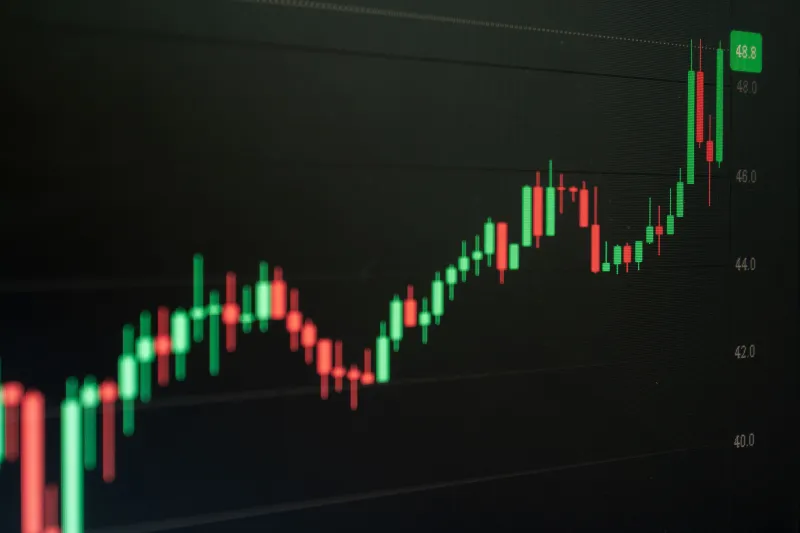
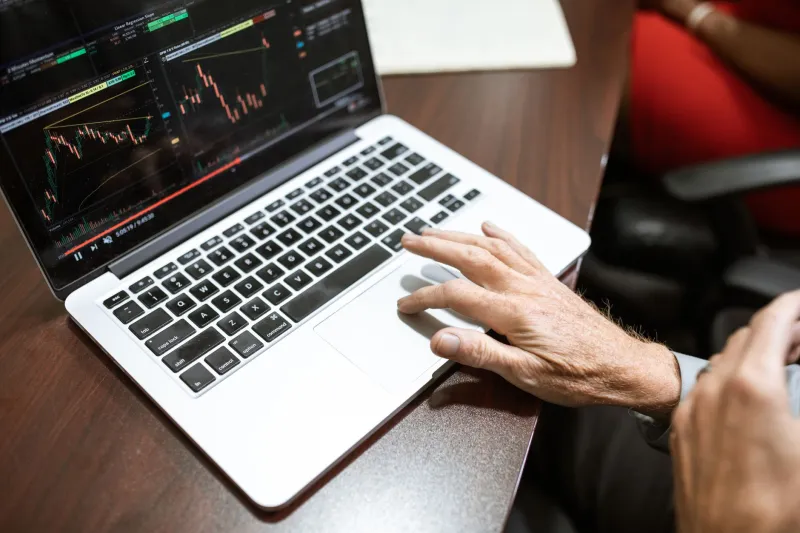
Photo: trading demo account on laptop screen with candlestick chart and coffee cup, via images.pexels.com
Demo accounts are the flight simulators of online trading. They let you learn the controls, test an order ticket, and see how a platform feels before you put real money on the line. That is useful. But a simulator cannot teach you how the weather feels at 30,000 feet, and a demo account cannot teach you how a global market behaves when real orders, real currencies, and real deadlines are involved.
On a platform like Global Easy Trade, the pitch is usually simple: practice with virtual cash, then trade the world. The practice part is genuinely helpful. The risk is treating the demo as a preview of live conditions when it is closer to a stunt double. It looks like the real thing from a distance. Up close, the differences matter.
1. Fills That Are Too Polite
In a demo, your order often fills at the price you clicked, or very close to it. In a live foreign stock, that price may be a suggestion. Thinly traded international names can have wide spreads, opening auctions, and long gaps between buyers and sellers. A market order placed during a quiet hour in New York may hit a local market that is closed, half-open, or waiting for a price discovery auction. The demo rarely shows you the awkward pause between click and fill.
2. Spreads That Never Sweat
Demo spreads can look frozen and friendly. Live spreads breathe. They widen around economic data, central bank decisions, holidays, and local market opens. They can also widen simply because liquidity has gone home. If your practice account shows a steady spread on a foreign pair or a small-cap stock in another country, test it during a stressful hour. Better yet, check whether the demo shows market depth at all. Many do not, which makes a large order look easier than it would be in the real book.
3. The Missing Currency Detour
This is one of the biggest gaps. A demo may show your profit or loss in the stock's local currency, or convert it at a clean rate that never appears on a live statement. Real global trading involves a currency conversion, and that conversion has a cost. Your US dollars become euros, yen, or pounds, and they come back again when you sell. The platform may apply a markup, a spread, or a flat fee. That detour can quietly turn a winning trade into a smaller win, or a small loss into a bigger one.
4. Corporate Actions That Vanish
Dividends, withholding taxes, stock splits, rights issues, and delistings are part of owning foreign shares. In a demo, these events may be ignored, simplified, or applied on a schedule that does not match reality. A live account has to handle record dates, payment dates, foreign tax withholding, and sometimes a choice between cash and stock. If you are practicing for income investing, a demo that shows a dividend without the tax line is not showing you the whole trade.
5. Margin Calls With Manners
Demo margin calls tend to be patient. Live ones are not. Brokers can raise margin requirements, change haircuts, or liquidate positions when a market gaps against you. Foreign markets can gap over weekends and holidays while your platform is still open for other business. A demo may let you sit in a losing position until you decide to close it. A live broker may decide for you, at the worst possible moment, and charge you for the privilege.
6. Funding, Settlement, and the Waiting Room
Virtual cash appears instantly. Real cash has a journey. Deposits may take days to clear. Withdrawals may require documents. Foreign trades settle on local timelines, which can mean T+2 or longer, and settlement can be delayed by holidays in the market where the stock trades. A demo balance does not care whether your dollars have arrived or whether a foreign custodian has released the shares. That waiting room is part of the live experience.
7. You Are Not in the Demo
The last gap is you. A demo does not produce the same adrenaline as a real position, and it does not punish hesitation, revenge trading, or a burst of overconfidence. It also does not test what happens when the platform freezes, a quote goes stale, or support takes two days to answer. Real money changes how you read a screen. That is not a small detail. It is the whole point of risk.
A Short Checklist for Using a Demo Without Getting Fooled
Use the demo, but use it as a stress test, not a fantasy. Try a market order in a thin foreign name during an off-peak hour. Manually subtract a realistic FX conversion cost from every result. Read the contract specifications for margin and settlement. Look for a demo setting that lets you simulate fees and spreads. Check whether corporate actions appear in the cash history. Write down how you felt when a virtual position moved against you, then imagine that feeling with rent money attached.
A demo can teach you where the buttons are. It cannot teach you what the whole machine costs. Treat it like a stunt double: useful for rehearsal, never a substitute for the real scene.