The Name on the Contract Isn't the Name on the Billboard
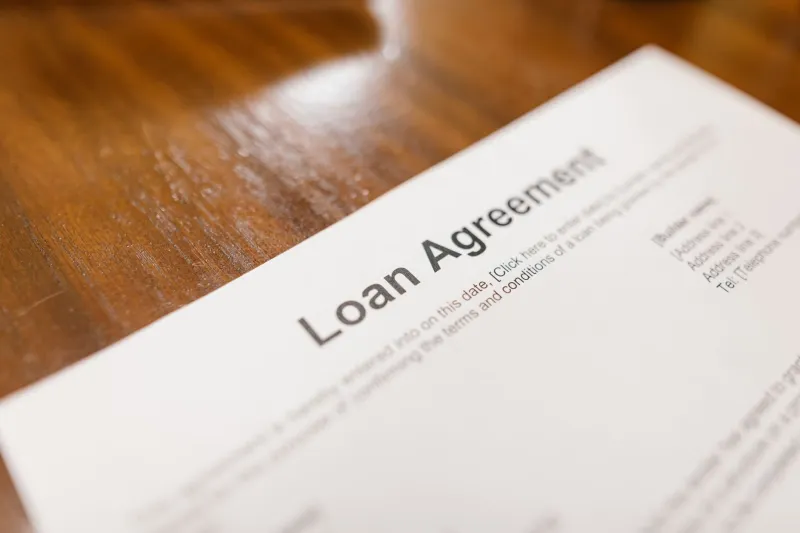
You signed up for a platform with a slick global homepage, a London address in the footer, and a support chat that answers in seconds. Then you pulled up your account statement and saw a company name you'd never heard of, registered somewhere you had to Google. That's not a glitch. That's the broker passport, and most U.S. traders never open it.
The Company That Actually Holds Your Money
Global Easy Trade's whole pitch is access: one login, dozens of markets, signals that ping your phone. But access is a chain of contracts, and the first link is the entity that accepts your deposit. Plenty of platforms run a U.S.-facing brand while routing clients through offshore subsidiaries. Common jurisdictions include St. Vincent and the Grenadines, the Seychelles, Belize, and Mauritius. Others use a European entity for EU clients and a separate one for everyone else.
Where to find it: the client agreement (not the marketing page), the deposit confirmation email, and the 'Legal' or 'Regulatory' page that often lists multiple entities in a table. The name on the wire instructions is another tell. If you're wiring to a bank account in a country that has nothing to do with the company's advertised headquarters, that's your contracting entity.
Why it matters: the entity determines your leverage cap, your complaint route, your negative-balance protection, and what happens to your cash if the firm goes under. A U.S.-regulated retail forex dealer, for example, is capped at 50:1 on major pairs. The same brand's offshore arm might offer 500:1. That's not generosity — that's a different rulebook.
The Regulator on the Letterhead vs. the Regulator on Your Account
Platforms love regulator logos. But a logo isn't jurisdiction. The Financial Conduct Authority in the UK, the Cyprus Securities and Exchange Commission, and Australia's ASIC each cover specific entities for specific products. A firm can be 'FCA-regulated' for its UK clients while your account sits with an offshore affiliate the FCA has never seen.
Check the registration number, not the badge. The FCA and CySEC both publish searchable registers where you can confirm the exact legal name and the permissions attached to it. The U.S. equivalents are the NFA's BASIC database for retail forex dealers and the SEC's investment adviser database. If the entity on your agreement doesn't appear in the register the platform brags about, you're not covered by that regulator's rules.
One more check: the NFA and CFTC require U.S. retail forex brokers to be registered and to maintain minimum capital. An offshore entity soliciting U.S. clients without that registration is operating outside the U.S. framework, which means U.S. regulators can't step in for you in a dispute. The CFTC has pursued these cases for years; the pattern hasn't changed in 2026.
Warning Labels Are Copy, but Some Copy Matters
Risk warnings are boilerplate until they're not. Read the section on 'client money' and 'segregation.' Segregated accounts sound safe, but segregation only means the broker keeps your funds separate from its own operating cash. It doesn't mean the funds are insured, and it doesn't mean you'll get them back quickly if the firm fails.
Look for an investor compensation scheme. In the UK, the Financial Services Compensation Scheme covers eligible claims up to £85,000 per person per firm. In the U.S., SIPC covers brokerage accounts up to $500,000 — but SIPC does not cover forex, and it does not cover offshore entities. Most offshore brokers offer no compensation scheme at all. If the agreement is silent on this, assume the answer is zero.
Also read the 'complaints' and 'dispute resolution' clauses. A U.S.-registered broker typically gives you access to NFA arbitration. An offshore entity may require disputes to be resolved in its home courts under its home law. That's not a dealbreaker for everyone, but it's a different kind of risk, and you should price it in before you fund.
A Two-Minute Insolvency Drill
Before you deposit, run this thought experiment:
- If the broker froze withdrawals tomorrow, which regulator would you call, and what's the phone number? If you can't answer in 30 seconds, that's the answer.
- What's the compensation limit, if any? Write the number down.
- Where is the client money held, and is it in a segregated account at a named bank? The agreement should say.
- Does the entity have a physical office you can verify, or just a registered agent address?
- What does the agreement say about negative balance protection? Some offshore entities provide it as a courtesy, not a rule. 'Courtesy' can be withdrawn.
None of this is about avoiding global platforms. It's about knowing which passport your account is traveling on. A platform can be perfectly legitimate and still route you through an entity with thinner protections than the brand implies. The fix isn't panic — it's paperwork. Find the name, find the regulator, find the compensation limit. Then decide whether the leverage is worth the trade-off.
Global access is the product. Knowing who's holding the keys is the job.